Link copied
The Hidden Risk in 2026: Why 'Safe Investments' May No Longer Be Safe.
opinion & analysis :: 1day ago :: source - investorshd
By Ijlal Ahmed
 The Hidden Risk in 2026: Why “Safe Investments” May No Longer Be Safe. SeventyFour / Getty Images
In uncertain times, investors naturally move toward what they believe are “safe” assets—government bonds, blue-chip stocks, and cash. But in 2026, the concept of safety in investing is quietly evolving.
Why Bonds Are No Longer Risk-Free
Government bonds have traditionally been considered low-risk. However, rising interest rates are changing that narrative. When rates go up, bond prices fall—sometimes significantly.
According to Investopedia, rising interest rates have an inverse relationship with bond prices, meaning long-term bondholders can face losses even in “safe” investments.
Cash Is Losing Value Faster Than You Think
Holding cash might feel secure, but inflation steadily reduces its purchasing power. A recent analysis by MarketWatch highlights how persistent inflation continues to erode real returns for cash holders.
Even Big Stocks Are Not Immune
Large-cap stocks are often seen as stable, but they are still affected by economic slowdowns, global conflicts, and declining consumer demand. As noted by The Motley Fool, even strong companies can underperform during uncertain economic cycles.
What Smart Investors Are Doing
Instead of relying on outdated definitions of safety, investors are:
- Diversifying across multiple asset classes
- Allocating a portion to commodities like gold
- Exploring international markets
- Balancing growth with defensive strategies
Final Thoughts
In 2026, “safe” doesn’t mean risk-free. It means being aware, diversified, and adaptable.
Disclaimer: This article is for informational purposes only and does not constitute financial advice. Always conduct your own research or consult a financial advisor before making investment decisions.
This week top market trends.
-
Investors drive US money market fund assets to records as war-related risk fears multiply
2026-03-20 :: stock :: reuters -
Bonds Lose $2.5 Trillion in Iran War Wipeout That Mirrors 2022
2026-03-23 :: treasuries & bonds :: bloomberg -
Gold Steadies After Report on Diplomatic Push for Iran Ceasefire
2026-04-06 :: commodities :: bloomberg
Recent global market news
-
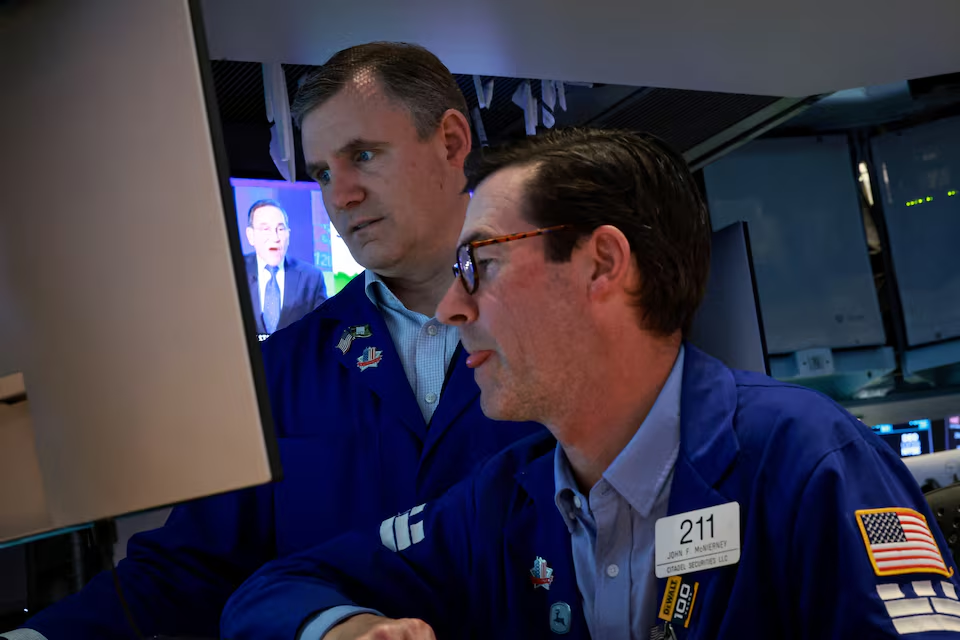
Investors drive US money market fund assets to records as war-related risk fears multiply
2026-03-20 :: :: reuters -
Social Security benefit cuts are coming and they will hit current retirees hard
2026-03-19 :: :: marketwatch -
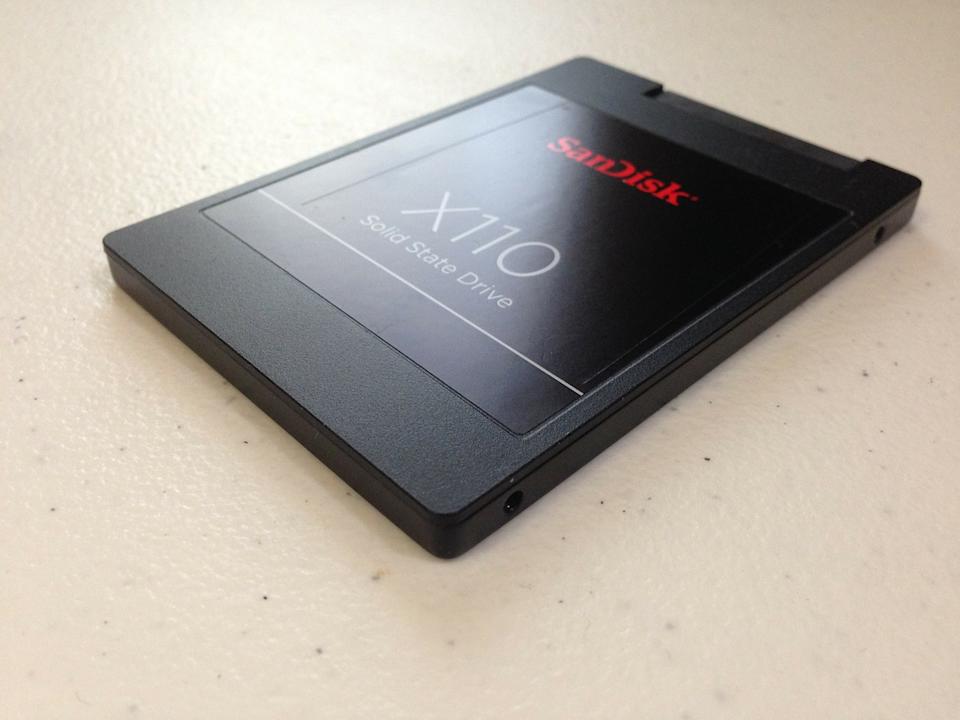
Jim Cramer on Sandisk: ''I Always Tell You This Is Inherently a Boom and Bust Industry''
1day ago :: :: insider monkey -
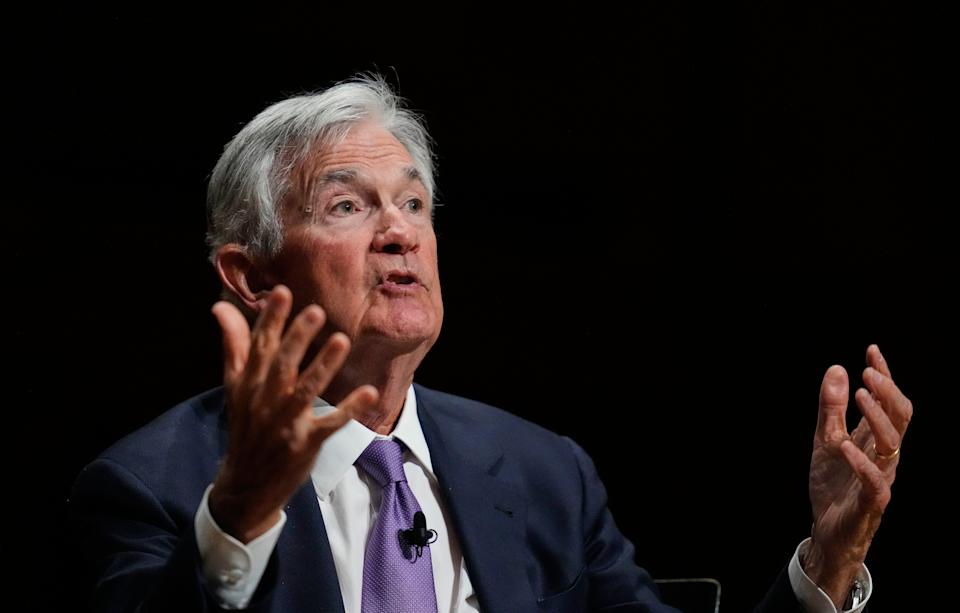
Morning brief: Powell issues an 'essential' reminder about why inflation expectations are so important
2026-03-31 :: :: yahoo finance